
Development Life Skills NDIS Toowoomba
Development Life Skills NDIS: Your Guide to Building Independence and Confidence
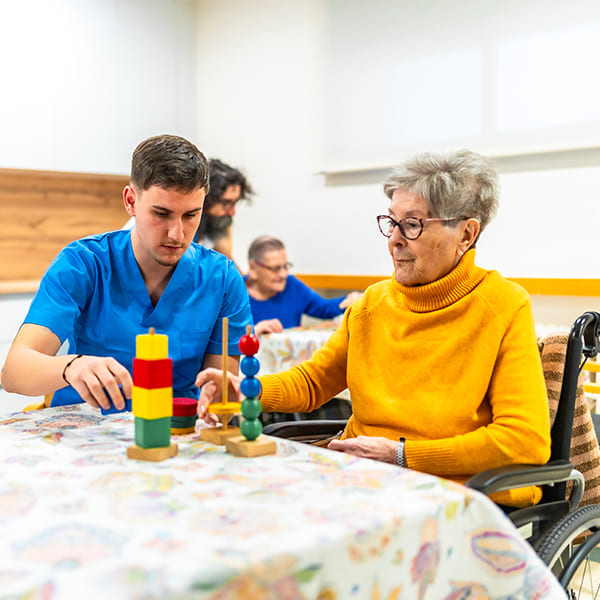
People with disabilities need daily life skills development because this process helps them achieve complete transformation of their daily activities. People achieve true independence through proper support which enables them to handle all tasks from cooking meals to controlling their finances and developing their social skills. Development Life Skills NDIS offers practical training which helps participants acquire life skills that enhance their daily activities while protecting their safety and increasing their overall satisfaction.
The National Disability Insurance Scheme (NDIS) provides funding to support people whose disabilities impact daily tasks. Through NDIS capacity building supports and life skills training NDIS programs, participants can increase independence, improve quality of life, and reduce long-term reliance on others. This guide explains life skills support boundaries and funding mechanisms together with support access procedures for NDIS participants who have difficulty completing their daily activities.
Top 10 Essential Life Skills Supported by NDIS
The NDIS life skills programs provide assistance to people who need help with:
- Personal hygiene and grooming
- Meal planning and cooking
- Cleaning and household management
- Budgeting and money handling
- Using public transport
- Time management and routines
- Communication skills
- Social interaction and relationship building
- Technology and digital literacy
- Workplace readiness and volunteering skills
Benefits of Development Life Skills NDIS
The advantages of development life skills NDIS learning programs extend to all areas of daily life.
- The program enhances two aspects of independence which are self-reliance and self-belief.
- The program decreases the need for family members to provide caregiving support.
- The program enhances mental well-being and social participation.
- The program generates permanent financial benefits because it decreases the need for continual assistance.
One participant who learned meal preparation and budgeting skills succeeded in decreasing his weekly support needs while developing the ability to live independently. The development of small skills brings about major transformations in life.
What are development life skills under NDIS ?
Development life skills focus on practical abilities needed for everyday independence. The supports of this program receive funding through two main NDIS categories which include Core Supports and Capacity Building Supports.
Core Supports (Daily Activities):
– Covers assistance with personal tasks such as cooking, cleaning, and hygiene.
Capacity Building Supports:
– Focuses on developing long-term independence through structured skill-building programs.
– Development Life Skills NDIS provides participants with training to perform tasks independently instead of providing them with temporary assistance.
The examples include basic self-care practices and advanced skills which involve budgeting and public transportation and workplace readiness and communication abilities.
The organization aims to provide people with more than assistance because its mission centers on empowering others.
How to Access NDIS Funding for Life Skills Development
Assess Your Needs
Identify areas where daily tasks feel challenging. A Support Coordinator can assist.
Set Clear Goals
During your NDIS planning meeting, include life skills objectives linked to your disability impact.
Choose the Right Provider
Select a registered NDIS provider experienced in life skills training.
Begin Personalised Training
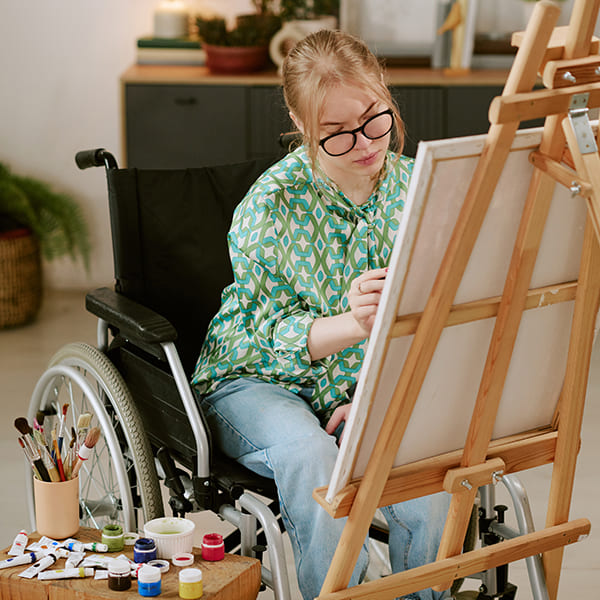
Supports may include one-on-one sessions, small group programs, or in-home coaching.
Review Progress Annually
At your plan review, adjust funding based on outcomes and new goals.
Challenges and How to Overcome Them
Some participants face barriers such as:
- Low motivation or anxiety
- Limited provider availability
- Funding constraints
- Family uncertainty about the process
The solutions require development of structured programs which create engaging experiences that match personalized interests while parents support their children through their complete educational journey and students use technology tools which include reminder applications and visual planners.

Frequently Asked Questions
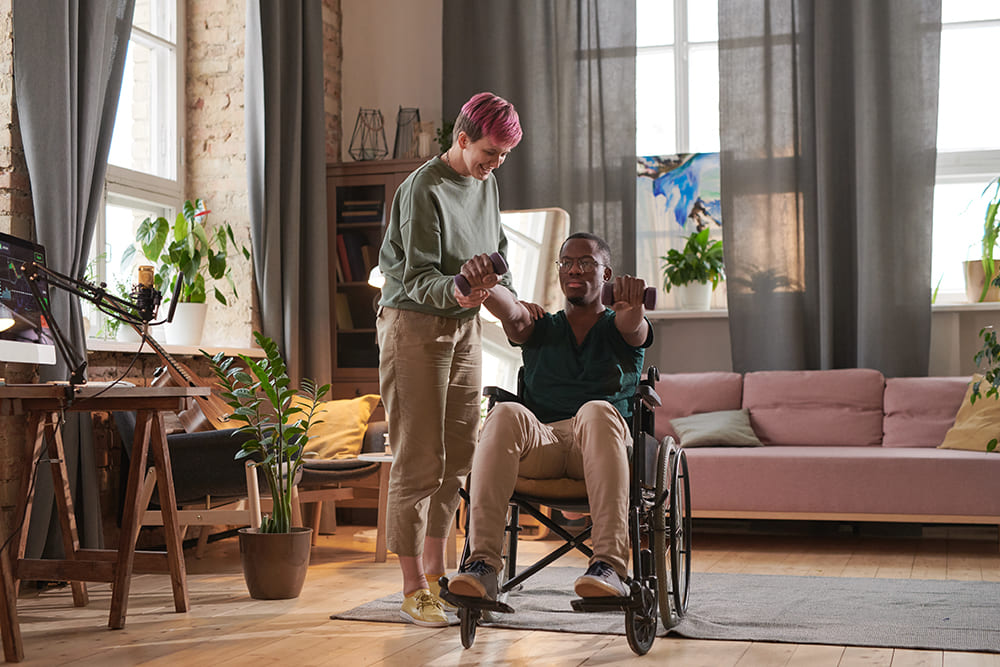
It is NDIS-funded support that helps participants build practical skills for everyday independence.
Any NDIS participant whose disability impacts daily living tasks may be eligible.
Funding varies depending on individual goals and plan approval.
Yes. Participants can choose registered providers that best meet their needs.
Development of Life Skills Support
Our Development-Life Skills service helps individuals build essential daily living skills for greater independence. We provide personalised guidance to improve communication, decision-making, and everyday abilities, empowering individuals to live confidently and participate actively in their community.